
Professional Packing Tips
Written by TLC Moving & Delivery — proudly serving Barrie, Simcoe County, Muskoka, and communities across Ontario since 1986.
How to Pack Like Professional Movers and Protect Your Belongings During a Move
Packing is one of the most important parts of any successful move. Poor packing can lead to broken items, damaged furniture, lost belongings, and unnecessary stress on moving day.
At TLC Moving & Delivery, we have helped families and businesses move throughout Barrie, Simcoe County, Muskoka, and across Ontario. Over the years, we have learned the best packing methods to keep items safe, organized, and easy to transport.
This guide shares professional packing tutorials and expert moving tips directly from our experienced movers.
Why Proper Packing Matters
Many people underestimate how important packing is during a move.
Proper packing helps:
- Prevent damage during transportation
- Reduce moving stress
- Speed up loading and unloading
- Make unpacking easier
- Protect fragile and valuable items
- Save money on replacement costs
Professional packing techniques can make a major difference between a smooth move and a frustrating one.
Essential Packing Supplies You Will Need
Before you begin packing, gather high-quality moving supplies.
Recommended Packing Materials
- Moving boxes in multiple sizes
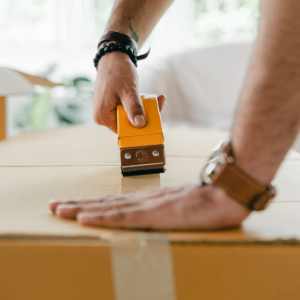
- Heavy-duty packing tape
- Bubble wrap
- Packing paper
- Stretch wrap
- Mattress bags
- Furniture blankets
- Permanent markers
- Labels or stickers
- Plastic storage bins
- Ziplock bags for hardware and screws
Using strong moving boxes and proper wrapping materials helps protect your belongings during transportation.
Professional Packing Tips Before You Start
Declutter Before Packing
One of the biggest mistakes people make is packing items they no longer need.
Before packing:
- Donate unused items
- Sell unwanted furniture
- Recycle broken items
- Throw away unnecessary clutter
Packing fewer items saves time, space, and moving costs.
Pack One Room at a Time
Stay organized by focusing on one room before moving to the next.
This helps:
- Reduce confusion
- Keep items organized
- Make unpacking easier
- Prevent mixed boxes
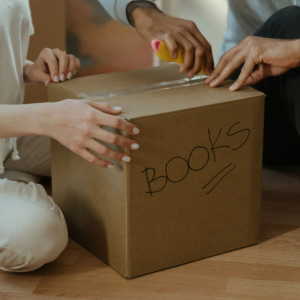
Label Every Box Clearly
Each box should include:
- Room name
- Brief contents description
- Fragile warnings if necessary
Example:
"Kitchen – Plates & Glassware – Fragile"
Proper labeling helps movers place boxes in the correct rooms quickly.
How to Pack Kitchen Items
Packing Dishes and Glassware
Kitchen items are some of the most fragile belongings during a move.
Professional Packing Method
- Wrap each dish individually with packing paper
- Stack plates vertically like records instead of flat
- Use dish pack boxes when possible
- Fill empty spaces with paper or towels
- Place heavier items on the bottom
Packing Glasses
- Wrap each glass separately
- Stuff paper inside glasses for support
- Use dividers if available
- Avoid overpacking boxes
Never leave empty spaces inside boxes because items can shift during transportation.
How to Pack Electronics Safely
Electronics require extra protection during a move.
Best Practices for Electronics
- Use original boxes if possible
- Take photos of cable setups before disconnecting
- Label cords and accessories
- Wrap screens with soft blankets or bubble wrap
- Avoid placing heavy items on electronics boxes
Packing TVs
Flat-screen TVs are especially vulnerable during transportation.
Professional movers recommend:
- Using TV boxes when available
- Wrapping screens with moving blankets
- Securing TVs upright during transport
- Never laying large TVs flat in the truck
How to Pack Clothes for Moving
Hanging Clothes
Wardrobe boxes are the easiest option.
They allow clothes to stay on hangers, reducing wrinkles and making unpacking faster.
Folded Clothes
You can also:
- Use suitcases
- Pack clothes in dresser drawers
- Use plastic bins for seasonal clothing
Soft clothing can also be used to cushion fragile items.
How to Pack Fragile Items
Fragile items require additional protection.
Common Fragile Items
- Mirrors
- Artwork
- Lamps
- Glass tables
- Antiques
- Collectibles
- Picture frames
Fragile Packing Tips
- Use extra padding
- Wrap items individually
- Mark boxes as FRAGILE
- Avoid overloading boxes
- Keep fragile boxes lighter
Professional movers also recommend using specialty boxes for mirrors and artwork.
How to Pack Furniture for Moving
Large furniture should be protected before loading.
Furniture Protection Tips
- Remove loose parts
- Wrap furniture with moving blankets
- Use stretch wrap to secure drawers
- Bag screws and hardware separately
- Tape hardware bags to furniture pieces
Disassemble Large Furniture
Whenever possible:
- Remove bed frames
- Detach table legs
- Take apart sectional sofas
- Remove shelving components
Disassembled furniture is easier and safer to move.
How to Pack a Bedroom Efficiently
Bedrooms often contain more items than people expect.
Recommended Bedroom Packing Order
- Seasonal clothes
- Decorations
- Books
- Extra linens
- Daily essentials last
Keep jewelry, medications, passports, and valuables with you rather than on the moving truck.
How to Pack a Bathroom
Bathrooms are usually quick to pack but easy to overlook.
Bathroom Packing Tips
- Dispose of expired products
- Use sealed bags for liquids
- Tape lids shut to prevent leaks
- Pack a separate essentials bag for moving day
Your essentials bag should include:
- Toothbrush
- Soap
- Towels
- Toilet paper
- Medications
- Chargers
How to Prepare Appliances for Movers
Large appliances often require advance preparation.
Refrigerator Preparation
- Empty contents completely
- Defrost 24–48 hours beforehand
- Disconnect water lines
- Dry interior fully
Washing Machine Preparation
- Disconnect hoses
- Drain remaining water
- Secure drum if needed
Stove Preparation
Gas appliances may require professional disconnection.
Always confirm appliance requirements with your movers.
Common Packing Mistakes to Avoid
Using Cheap Boxes
Weak boxes often collapse during moving.
Overpacking Boxes
Heavy boxes are harder to carry and more likely to break.
Forgetting to Label Boxes
Unmarked boxes create confusion during unpacking.
Packing Hazardous Materials
Professional movers usually cannot transport:
- Gasoline
- Propane tanks
- Paint
- Chemicals
- Fireworks
Waiting Until the Last Minute
Packing always takes longer than expected.
Start earlier than you think you need to.
Packing Tips for Moving During Winter in Ontario
Ontario winters create additional moving challenges.
Winter Packing Tips
- Protect items from moisture
- Use waterproof bins when possible
- Keep salt and mats near entrances
- Wrap electronics carefully in cold weather
- Allow electronics to warm up before plugging them in
Winter moving requires extra care and planning.
Frequently Asked Questions
How early should I start packing before moving?
Most people should begin packing at least 4–6 weeks before moving day.
What rooms should I pack first?
Start with storage areas, seasonal items, and rooms used less frequently.
Are plastic bins better than cardboard boxes?
Plastic bins work well for storage and moisture protection, but strong moving boxes are usually easier to stack in moving trucks.
Should movers pack fragile items?
Professional movers can safely pack fragile items using specialized materials and techniques.
Can movers provide packing supplies?
Many moving companies offer boxes, packing paper, tape, and specialty moving supplies.
Final Thoughts
Packing properly is one of the best ways to ensure a successful move.
Using professional packing techniques helps protect your belongings, reduce stress, and make moving day much smoother.
Whether you are moving locally in Barrie or relocating across Ontario, TLC Moving & Delivery is here to help with professional moving services you can trust.
Contact TLC Moving & Delivery today for a free estimate and let our experienced team help make your next move simple, safe, and stress-free.